Shopping for a new spa sounds like the luxurious part. It is. You drift through a showroom, dip your hand in immaculate water, picture winter evenings with steam curling above the Swim and Spas fence. Then you pick a model, sign, and wait for delivery day. That day is where the real story starts. A hot tub is not a sofa. It weighs as much as a compact car, hates tight turns, demands a stable base, and arrives with an entourage: a truck, a crew, sometimes a crane, and always a bill if something goes sideways. I have guided homeowners through hundreds of setups, from tight Winnipeg back lanes to rural acreage pads where your biggest obstacle is a wind gust. The same truths apply no matter where you live, and they hinge on planning the last 50 meters from street to site.
If you typed “hot tubs store near me” and you’re eyeing the first result, keep it. But also download a little patience. The difference between a smooth delivery and a chaos-fueled afternoon is a checklist you actually use, not one you skim while the truck idles.
How delivery day actually unfolds
A typical window runs two to four hours. The crew calls when they leave the warehouse, then again when they’re ten to twenty minutes out. On arrival, they want eyes on the route: driveway, side yard, gate, deck, pad. If anything looks off, they stop. They are motivated to complete the job, but they will not drag a 900‑pound shell through a mud pit or force it under a sagging eave. If a crane is booked, timing gets precise. The crane charges by the hour and will not linger because your neighbor decided to park across the access.
In Winnipeg, I’ve watched March slush turn a textbook plan into a skating routine. In July, I’ve had composite decks so hot that we put towels under the dolly wheels to avoid scuff marks. Weather changes tactics, not the fundamentals. What matters is the base, the path, the power, and the people.
The base that keeps your tub — and warranty — calm
If you remember one thing, make it this: the water weighs the tub, not the shell. A typical 7‑person spa with 350 to 450 gallons weighs 3,500 to 4,500 pounds when filled, plus bathers. That load must sit evenly or the frame twists over time. I have seen brand new cabinets crack because the tub sat on two patio stones and a dream.
Concrete is the gold standard. A 4‑inch slab, properly reinforced and level within a quarter inch across the footprint, will carry a spa for decades. Paver pads can work if the base is compacted and restrained on all four sides. Crushed stone alone, even with good compaction, evolves into a hammock under load unless you top it with interlocking panels designed for spas. Wood decks are fine if engineered for point load and deflection. The rule of thumb is 100 pounds per square foot, but use that as a conversation starter with an engineer, not a shortcut.
Delivery crews do not build bases. Some will shim a quarter inch to accommodate a finish coat or a slight slope, but they will not fix a wavy slab. If they arrive and the base is out more than a half inch, they usually reschedule. On a busy week, that can push you two to three weeks, and if a crane was booked, you just paid for an expensive no‑show.
The route from street to serenity
Measure your tightest point. Do not eyeball it. Most spas arrive on edge on a spa cart or sled. The narrow dimension is the cabinet height, often 36 to 40 inches. You also need wiggle room for the dolly wheels and human hands, generally another 6 to 8 inches. Gates under 42 inches are always a conversation. A straight 90‑degree corner next to a house wall becomes a geometry lesson at 38 inches plus fingers.
Overhead clearance is the saboteur. Eaves, gas meters, deck joists, and even laundry lines can stop a delivery dead. Plan a vertical window of at least 8 feet along the route. If you must pass under a low deck, confirm the measurement with the dealer when you purchase. Taking down one run of railing, or temporarily removing a fence panel, is normal. Swinging a tub over a garage with a crane is also normal, provided the crane can park safely and the operator has line of sight.
Speaking of cranes, they are not magic. A small knuckle boom on a delivery truck can reach about 20 to 30 feet with a moderate load. A larger mobile crane can stretch to 80 feet or more, but the ground must handle the outriggers. Frozen soil in January in Winnipeg feels like concrete, but frost heave under a steel pad can shift suddenly when the sun hits. Your dealer should arrange a site visit or at least photos with measurements. If they wave off details, keep shopping.

Power that does not trip in the snow
If you bought a 120‑volt plug‑and‑play unit, you can literally plug it into a dedicated GFCI outlet and enjoy tepid patience. Those units heat slowly when jets are on, typically 1 to 2 degrees per hour with the cover closed. They are fine for two people and shoulder seasons.
Most full‑size spas are 240‑volt, hardwired, with a 40 to 60 amp breaker and a GFCI disconnect within sight, usually on a post or wall 5 to 6 feet from the water line. The electrician should pull the permit, run appropriately sized copper conductors, and bond the tub per the manufacturer’s diagrams. Aluminum wire invites voltage drop and nuisance trips. Bury the conduit to code depth. Use a drip loop so water does not march down the wire into the control box like it owns the place.
I like to schedule electrical work after the base is cured but at least a few days before delivery. That way the electrician can test the panel and confirm you have power at the disconnect. On delivery day, the crew will land the conductors, torque lugs to spec, and button up the control pack. If you are still shopping, ask your Winnipeg Hot Tubs dealer whether electrical hookup is included. Some include it in premium packages, some hand you a referral list.
Water that starts clean and stays that way
Garden hoses are not equal. If your home has a softener loop, you can fill through unsoftened water without drama. If you have extremely hard water, which happens in parts of Manitoba and the prairies generally, consider pre‑filtering. A simple inline carbon and sediment filter on the hose reduces metals and particulate. Fewer metals mean less staining and a simpler startup.
When the tub fills, stick the hose through the filter compartment into the suction well to help purge air from the pumps. Stop filling when the water line sits halfway up the skimmer opening. Any higher and you flood the diverter valves during first jet run, which makes a wet mess under the cabinet.
On first power‑up, the control pack often runs a priming cycle. This is normal. You may see an error code that looks ominous but translates to “Pump air.” Crack the union nuts slightly on the pump suction side to burp air if it persists. Hand tight, then one quarter turn with a wrench is enough. Over‑torquing crushes gaskets and buys you a leak in six months.
The short list that saves long hours
Here is the only time we will do a checklist, and it earns its ink.
- Confirm the base is level, supported, and free of debris; measure across the entire footprint. Measure the narrowest gate or path and overhead clearance; remove panels or railings if needed. Schedule electrical work, confirm power at the GFCI disconnect, and leave enough slack for hookup. Clear parking for the truck or crane and brief neighbors if your street is tight. Have a hose, pre‑filter if you use one, and startup chemicals on site.
Five steps. Do them, and delivery day becomes a one‑coffee event instead of a five‑call scramble.
Crane or no crane, that is the question
People fear cranes because they look dramatic and cost real money. The right crane saves time and damage. If your path includes three turns, a terraced yard, and a deck at the end, a crane can set the tub in five minutes with zero landscaping scars. Pricing varies by city and reach. In Winnipeg, a modest lift within 40 feet often lands between a few hundred and a thousand dollars, while long‑reach downtown lifts can climb higher. Weather matters. High wind shuts cranes down. If your delivery date lines up with gusts over 30 km/h, plan to reschedule.
Pro tip from one too many clanging straps: bring two short 2x4s to set under the tub as it lands. They make it easier for the crew to get hands and a pry bar under the cabinet to slide the tub into exact position before removing the slings. Then the lifters vanish, and you look like a logistics wizard.
Chemistry that does not fight you
After the tub hits temp, I balance in a simple order. Alkalinity first, pH second, sanitizer third. Many brands will include a starter kit with test strips, sanitizer of choice, and a shock. If your dealer sells mineral cartridges or salt systems, ask them to walk you through startup. Salt is not a free pass to never test. It is a different delivery method for chlorine or bromine, and it still respects pH.
Tap water in the region often arrives with alkalinity in the 100 to 180 ppm range. I target 80 to 120 for stability. pH around 7.4 to 7.6 keeps the heater happy and bathers more comfortable. Add small doses, let the water circulate, retest. If you dump in a cup of increaser, you chase it for a week. Scale protectant in hard water areas is not optional. It protects heater elements and jets.
The first 48 hours is about removing the invisible. New hoses, new acrylic, and even your brand new cover off‑gas compounds that make water smell “new plastic.” Open the cover a couple inches during the first heat‑up to let vapors escape. Run jets with the air controls closed to avoid foaming. Shock lightly after your first soak, not before. Sanitizer runoff from a fresh shock makes the first dip smell like a hotel pool.
Real‑world anecdotes and the things they taught me
A veteran delivery tech once called me from a back lane where a client had measured the gate right, cleared the snow, and forgot the overhead power line that drooped mid‑alley. The crane operator refused to swing under it. They stayed safe, but the reschedule meant another week in February. The fix later was simple: push the set point to spring and run the dolly route after thaw. The lesson sticks. Overhead lines do not bend. Check them.
Another time, a client buying from a big box advertised “hot tubs for sale” at a price that undercut every specialty shop. The tub arrived, the delivery sub had never been to the property, and they left it on the driveway when the gate looked narrow. The homeowner paid a second crew to stand it up and bring it around, then paid an electrician who was unfamiliar with spa packs to hook it up. He used aluminum wire, a GFCI that was not rated correctly, and they chased nuisance trips for months. The money saved upfront evaporated in a haze of “almost.” Specialty dealers, the ones that pop up when you search Winnipeg Hot Tubs or that helpful “hot tubs store near me,” earn their margin by preventing these moves. If a shop wants to visit your site, let them. They are not nosy. They are protecting you from physics.
On the happy side, I saw a family on a narrow urban lot remove three fence panels and a slice of lilac bush the day before the truck. They laid down two sheets of plywood over mucky soil to protect the yard, set out a bright extension cord for the crew’s tools, and had the electrician’s slack coiled neatly at the pad. The crew had the tub set within 15 minutes, wired in 20, filled in 45, and hot by evening. The next day, the kids made steam angels in November air.
The cover and the lifter that save your back
Covers matter more than marketing suggests. A good cover seals tight, sheds water, and keeps heat where you want it. The lifter makes one‑handed opening possible and protects the hinge from being flipped backward in wind. During delivery, have the cover boxed until the tub is in place. Then assemble the lifter with the tub in position. Measure twice before drilling into the skirt. Composite cabinets forgive fewer mistakes than wood. I like to position the lifter so the cover hangs slightly above any fence or hedge, not rubbing them. A rubbed cover becomes a ripped cover, and replacing it is rarely cheap.
When the cover is on, latch the wind straps. Prairies treat a spa cover like a kite. A single gust can flip it, bend the arms, and crease the foam. Those repairs start with an apology to your future self.
Winter deliveries, summer mistakes
Winter deliveries thrive on discipline. Clear the path right down to the surface, not just a token shove. Spread sand or pet‑safe traction grit in icy spots; salt is hard on equipment and sometimes on landscaping. If the tub is going into a backyard, knock icicles off eaves where people will pass. Crew members cannot look up and down at the same time while guiding a 7‑foot panel of acrylic through a gate.
In summer, the mistakes feel more casual. People water their lawn just before a delivery and turn the path into a soft sponge. Or they schedule a landscaper for the same day, then try to squeeze a hot tub between a wheelbarrow convoy. Leave the yard alone the day before. Let soil firm up. If you are pouring a slab, give it the full cure window recommended by your contractor. A slab can look done at three days and still migrate under load.
Warranty expectations and the visit nobody wants
Delivery crews document everything. If they scratch a cabinet or scuff a corner, they log it and photograph it. If the path forced a tight turn and the grass took a beating, they log that too. When something looks off, they may ask you to initial a note. Not because they plan to duck responsibility, but because good records save everyone if a warranty claim appears later. If you ever do need service, the tech will ask about installation conditions. Having a flat base, proper clearance, and correct wiring keeps you eligible for help.
Store the manuals and serial number where you can find them. Snap a photo of the equipment bay with the model tag visible. If you ever call for service in a winter storm, you will not be walking out to the spa in slippers to read a label.
The final ten percent that elevates the whole experience
Delivery day is logistics. The day after is lifestyle. Put a rubber mat in the path from the house to the tub to keep grit off your feet and out of the water. Add a small step with non‑slip treads that suits the tub height, not a generic stool that wobbles. Mount a simple coat hook or two near the tub for robes. Drop a battery tea light inside the cabinet where the control pack sits, and when you need to peer inside after dark, you will thank yourself.
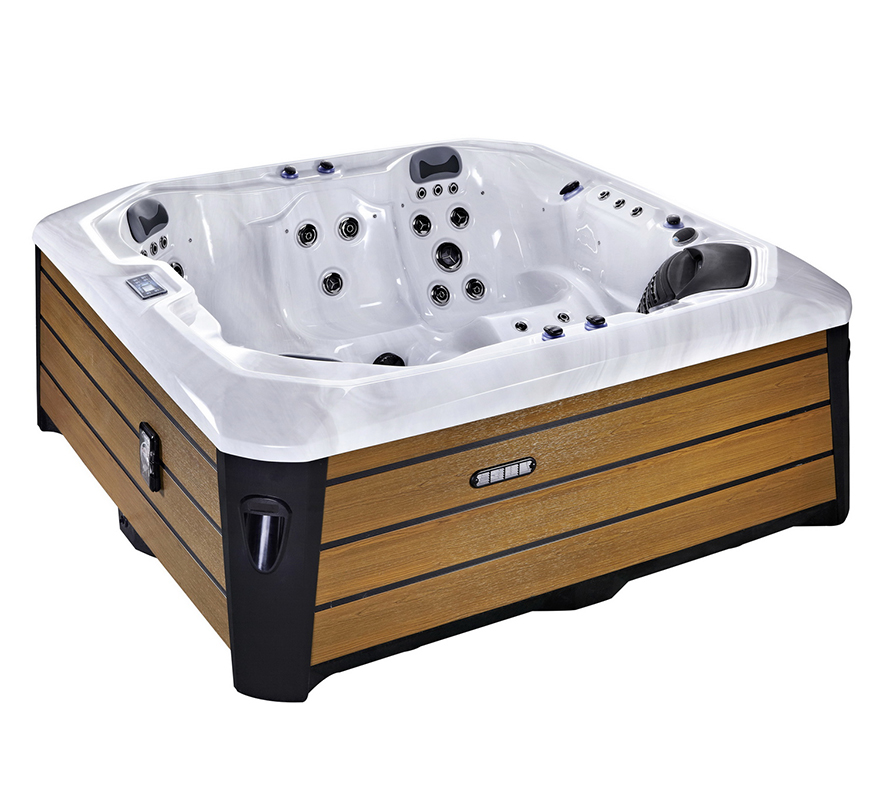

If privacy matters, arrange a screen or a line of tall planters before the first soak, not after your neighbor waves from the kitchen. For lighting, warm white beats the stadium glow. Your eyes relax, the steam looks better, and the stars still have a chance.
When to lean on your dealer
The right dealer is your co‑pilot on delivery day. This is where local specialists shine. If your search for “hot tubs store near me” leads to a shop that offers site visits, electrical coordination, water testing, and crane logistics, you have found value. In Winnipeg, seasonal swings make timing and route planning more art than checklist. Shops that handle both peak July and deep January have scar tissue you can borrow. Ask them how they handle tight lots. Ask if they stock replacement filters, covers, and spare lifter parts. Ask what their average response time is for a no‑heat call at minus twenty. Their answers predict your next three winters.
A quick word on those banner ads for hot tubs for sale at shockingly low prices. They are not all bad. Some sell closeout models honestly. Some sell containers of mystery. The red flag is not price, it is support. If delivery is curbside drop only, if there is no service network, if the warranty reads like a puzzle, proceed with caution. The price difference between “just” a tub and a tub plus competence often pays itself back the first time something beeps.
A second, shorter list for launch day
We earned one more list. Keep it tight and do it after the set.
- Fill through the filter well, stop at mid‑skimmer, power on only after water covers all jets. Balance alkalinity and pH before adding sanitizer; retest after 30 minutes of circulation. Program the filtration cycle to fit your usage and electricity rates. Register the warranty online while everything is near at hand. Take a quick photo tour of the installed tub, base, and equipment bay for your records.
That is it. Two lists, both short, both useful.
What smooth feels like
The best deliveries have a rhythm. The truck arrives, the crew walks the route, you both nod at the base like it’s a finished puzzle, and the tub is on its side rolling gently through your world. At the pad, it tips upright with a soft thud, a whisper of straps, and a small cheer. The electrician lands wires and torques lugs with measured clicks. The hose runs, a pre‑filter hisses, and the water climbs, clean and pale. Power hums, pumps catch, a cloud of air burps out of the jets, and you watch the thermostat climb like a slow sunrise. The cover closes. Later, when the steam curls in your porch light and the yard sounds different, like a room you just tidied, you will not be thinking about the crane invoice or the quarter inch of slope the crew refused to ignore. You will be thinking about tomorrow’s coffee in hot water, the quiet kind that melts tight shoulders.
If you are still browsing, local matters. Search Winnipeg Hot Tubs or that reliable “hot tubs store near me,” but let your short list favor dealers who care about your Tuesday in February. Delivery day confidence is the first perk they should hand you, even before the water turns warm.