Walk any Winnipeg street in February, and you can tell who owns a hot tub. They make fewer excuses to go out. They move like they slept well. Their porch light is on a little longer, and there’s a faint hiss of steam behind the fence. If you’re shopping hot tubs for sale because you want to turn the weekend into a ritual instead of a recovery mission, you’re onto something. A good spa can outlast your snowblower, keep your back from barking about shoveling, and make a minus-25 night feel like a private holiday.
I’ve spent enough winters in this city to know which features matter, which don’t, and how to shop smart without turning a fun purchase into a project that eats your evenings. Whether you typed “Winnipeg Hot Tubs” into your browser out of curiosity or you’re hunting for a “hot tubs store near me” that won’t ghost you after delivery, here’s the straight goods: how to pick the right tub, heat it without bankrupting yourself, keep it clear, and make it the best use of your yard since the raised garden bed you swore you’d weed.
What Winnipeg does to hot tubs, and how to work with it
Winnipeg is a durability test disguised as a city. The temperature swings are wide. A week can jump from slushy sunshine to a prairie deep freeze that turns your beard into a stalactite. Those swings stress plumbing, covers, controls, and cabinet seams. Add wind that will find any weak seam and you have the perfect reason to buy a spa with stronger bones than you thought you needed.
This is why insulation, cover quality, and service access aren’t “nice to have.” They’re the difference between sipping tea in steam and cursing through a panel with a flashlight while snow blows sideways. A tub that performs in coastal weather might cry uncle here. The inverse is also true: a tub built for Winnipeg tends to feel overbuilt in summer, which is a delightful problem to have.
Sizing your tub for life as you actually live it
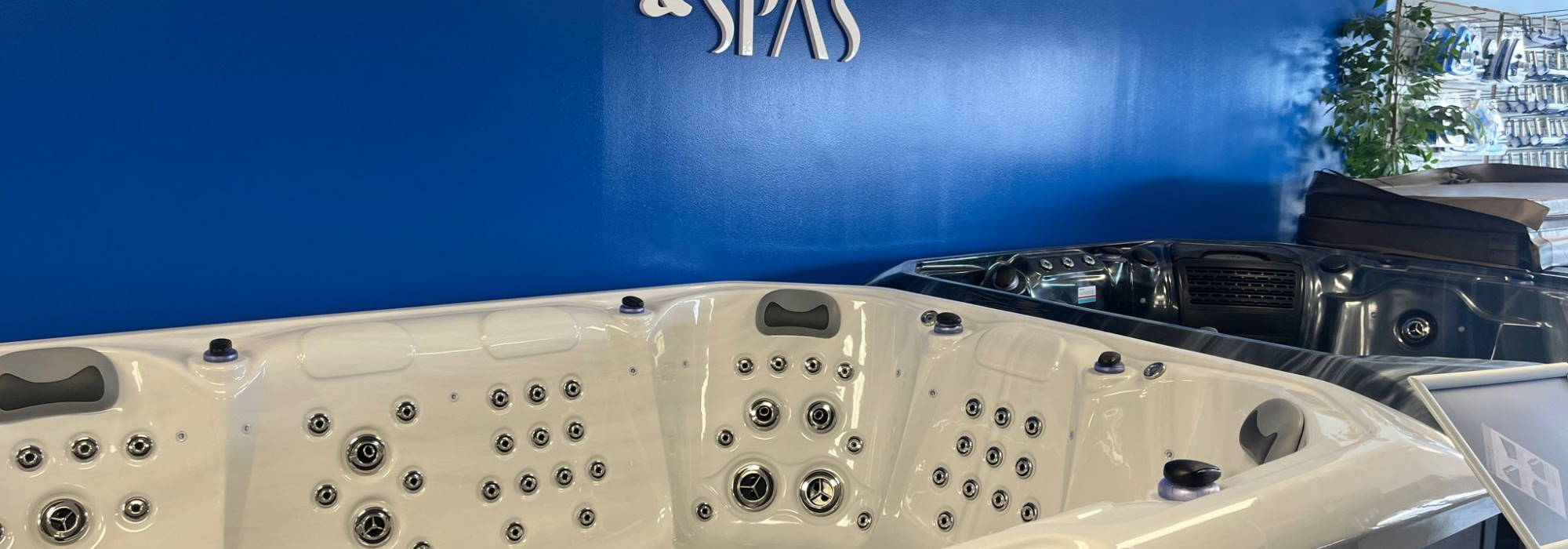
The showroom will woo you with big shells gleaming like spaceship cockpits. Step back. Count the regulars, the occasionals, and the one who will say “I’ll only use it once in a while,” then use it every time. The sweet spot for most households is a 5 to 7 person shell with one real lounger, not two. Loungers look great on brochures, then half your guests float out of them like a loose canoe. Corner captain’s chairs with different jet clusters fit more bodies comfortably and keep conversations easy.
Depth matters more than length if you’re tall or have shoulder tension. A couple of extra inches in a deep therapy seat will do more for your traps than a dozen small jets. If you have kids, look for at least one “cool down” step that functions as a shallow seat. It becomes the place for kids to warm up without boiling or for you to sip and eavesdrop without soaking your hair.
As for footprint, tape the outline in your yard and stand where you’ll enter and exit. Think about the snow path to the back door, the line of sight from the kitchen window, the neighbor’s second-floor deck, and the path your electrician will take. Those thirty minutes with a roll of tape save a year of minor irritations.
The heater, the pump, and the myth of more jets
Hot tub shopping loves big numbers: 100 jets, triple pump, turbo here, volcano there. In practice, the equation is simpler. You want a well-insulated shell, a reliable 4 to 5 kW heater, a primary pump that won’t wheeze after the first deep freeze, and jet placement that hits actual muscle groups. The best tubs feel curated, not crowded.
A few heuristics that hold up:
- More jets do not equal better massage. You want varied jet sizes and angles grouped by purpose: deep tissue in one seat for legs and lower back, gentler rotational jets in another for shoulders and neck, and a quiet “soaker” corner with minimal turbulence for people who want heat without the whirlpool effect.
That is the first of our two lists, and it bears repeating in plain words: a well-designed 40 to 60 jet tub with smart placement beats a 100 jet carnival that aerates more than it massages. Air lines can add fizz and the sensation of intensity, but water flow and pressure do the muscle work. When you test a floor model, sit, close your eyes, and ask yourself if your neck actually unwinds or just feels jostled.
Insulation and covers, the real energy bill
Energy efficiency for Winnipeg Hot Tubs lives or dies with insulation and the cover. Full-foam insulation around the shell reduces heat loss, muffles pump noise, and supports plumbing so fittings don’t wiggle themselves loose in freeze-thaw cycles. There are hybrid systems with removable sidewalls and insulated cavities, and those can be service-friendly, but insist on real R-value and no hollow corners that become cold air conduits.
Covers are the unsung heroes. Look for a 4 to 5 inch taper with a dense core, marine vinyl that won’t crack by year two, and a continuous heat seal along the hinge. In plain English, you want a lid that behaves like a winter parka, not a sweater. A good cover swings your electric bills by double digits each month. Handle straps should be stitched cleanly and the skirt should hug the shell so prairie gusts don’t turn it into a flying saucer. Invest in a lifter. In January you will thank your past self for making one-handed opens possible with mitts on.

Power, permits, and placement without headaches
Most full-size tubs run on 240 V with a dedicated GFCI breaker. Expect a 40 to 60 amp line, depending on pump and heater load. A licensed electrician will plan the run, set the disconnect within sight, and make sure you meet code. In older homes, the panel might need an upgrade. Budget for that possibility rather than pretending it won’t come up.
Placement combines three truths. You want it close to the house to reduce heat loss and snow shoveling, you want clear service access to at least one long side for technicians, and you want privacy that feels casual, not bunker-grade. A screen panel can do more than a six-foot fence. Planting cedar along the windward side turns your spa into a warm hollow, and cedar survives Winnipeg winters when planted properly.
Ground prep is boring and essential. A level concrete pad is ideal. Compact gravel with pavers also works if it’s done right and you’re not placing a 900 kilo behemoth on it. Avoid decks that flex unless they are engineered to handle the static plus live load. A spa full of water and people weighs as much as a car, and your joists should not guess.
Water care without a chemistry degree
The internet will tell you hot tub chemistry is easy. The internet will not be there when your water looks like lemonade after a single birthday party. The basics are manageable if you understand what you’re balancing: sanitizer to keep water safe, pH and alkalinity to prevent corrosion and scaling, and total dissolved solids that creep up over time. In Winnipeg, city water tends to be moderate hardness. Well water varies, and iron will turn things theatrical.
You’ll choose a sanitizer method: chlorine, bromine, or a salt system that creates chlorine on-site. Bromine holds up well at higher tank temperatures and has a softer smell, but it can be pricier. Chlorine is familiar, effective, and easy to find. Salt systems add convenience, but they still produce chlorine, and electrodes need maintenance. Ozonators and UV units help oxidize organics, lowering sanitizer demand, not replacing it. That distinction matters.
The smart routine is light-touch and consistent. Keep test strips handy, but confirm with a drop test kit monthly so your numbers aren’t vibes-based. Rinse filters weekly, deep clean monthly. Shock after heavy use. A water change every 3 to 4 months keeps things simple, though winter changes can be delayed if you keep water balanced and top up with fresh to keep TDS in check. Plan a full drain and refill in fall, then ride the season into spring with partial top-ups. Use a submersible pump for drains so you’re not waiting for gravity while your toes go numb.
Winterizing without quitting on winter
Hot tubs are built to be used in the cold. The cruel joke is that they’re also hardest to repair when it’s cold. Prevention wins. If you travel for a week in January, drop the temperature a notch, keep the cover sealed, and set the circulation schedule appropriately. If the power goes out, a well-insulated tub with a proper cover will hold safe temperatures for hours, sometimes a full day, longer if you keep the cover closed and the wind off. Some owners add a small battery-powered temperature sensor that texts when water dips unexpectedly. It’s not paranoia, it’s Winnipeg.
People ask about draining for winter. In this city, Swim and Spas I advise against it unless you plan to be away for months and you know how to purge lines completely. Water trapped in a low loop can expand and pop a fitting, and that repair is as fun as it sounds. Better to run it, enjoy it, and budget for electricity so your spa is a warm outpost during the season we allegedly endure.
What you pay, and what you really pay
Price-tier breakdowns are the least sexy part of hot tub shopping and the place most nonsense enters the chat. Here’s how it shakes out locally:
Entry-level portable spas sit in the lower five figures, sometimes less during clearance sales. They give you heat, bubbles, and a good soak. You sacrifice insulation quality, pump longevity, and sometimes service access. If this is a starter tub to see if you’ll use it, fine. Just be honest about your tolerance for higher winter hydro bills.
Mid-tier, which is where many Winnipeg Hot Tubs shoppers land, runs higher but gives you the insulation, cover, and pump quality that matter here. Jets are better placed, shells feel solid, and cabinets resist fading and warping. Energy usage drops relative to heat retention, so the monthly operating cost can be lower than an entry tub even though the sticker is higher.
Premium tubs live even higher, and you start getting truly quiet circulation, premium hydrotherapy seats that feel like a good RMT figured them out, and controls that don’t glitch when the temperature swings. Some add smart monitoring. Others add bells you will stop using after a month. The wise move is to pay for bones and hydrotherapy, not gimmicks.
Monthly operating costs vary by insulation, cover quality, ambient temperature, and how often you yank the cover. Many owners report winter bills in the range of a modest appliance, with the variance driven by the above factors. If a store promises pennies a day in Winnipeg, smile, nod, and ask to see real-world customer data from January.
The showroom visit playbook
A quick plan will keep your showroom trip efficient and, frankly, more fun. Winnipeg has several solid retailers. A “hot tubs store near me” search will offer plenty, but the right store is the one that can answer questions without tap dancing and has a service department you could visit in person. Bring your yard measurements, breaker panel photo, and a sense of what aches on your body.
Your checklist for in-person testing should be short and specific:
- Sit in at least three different shells. Close your eyes. If a seat pinches your shoulders or your knees have nowhere to go, believe your body over the brochure.
That is our second and final list. Keep the rest in conversation. Ask where the access door is and how much clearance their techs need. Ask whether they stock pumps and heaters locally in January or if parts come from the coast. Ask whether their delivery crew is comfortable with narrow side yards and winter installs, and what they do when a truck can’t access your alley. You’re not interrogating. You’re confirming they operate like grown-ups.
Staff who’ve soaked in the tubs they sell will describe jets by feel, not by count. That’s the person you want. If they steer you to a model because they own it and can tell you what they like and what they ignore now that the honeymoon is over, even better.
Delivery day without drama
Delivery crews in Winnipeg have seen every version of “It’ll fit.” If you measure your gates and clear your path ahead of time, the day goes fast. Mark the corners of your pad if it’s under snow. Have a hose ready for fill, preferably run from a tap with a prefilter inline if your well water is funky. Fill through the filter compartment to help purge air from lines. That little trick saves heartache the first hour when pumps would otherwise cavitate.
The electrician should coordinate with the delivery team or arrive soon after, then the start-up ritual kicks in: power on, confirm priming, add sanitizer, run circulation, and watch for leaks. Good installers walk you through the panel so you can navigate without a manual. Snap a photo of your control panel displaying filter cycles and temperature the first day. Two months later, when you’re pressing buttons with mitts on, those photos will feel like a gift.
Rituals that make the tub part of your week
The novelty fades after a few weeks, then the hot tub either becomes a habit or a heavy yard ornament. Build a ritual early. I have a friend in Fort Richmond who lights a single candle on the back step every Friday after work. If the candle goes out from wind, he waits ten minutes and relights it. During that time, he lets the day drain. By the time he lowers the cover lifter, his shoulders have already dropped. He spends ten minutes in the deep therapy seat, ten in the quiet corner, and sits on the cool-down step for three with a glass of water. It’s a small ceremony, and it works.
Music helps, not the spa’s built-in Bluetooth that will age like milk, but a decent outdoor speaker stored inside between uses. Keep a robe on a hook near the door and a pair of lined clogs waiting. Lay down a grippy mat from tub to threshold, and shovel that path before the rest of the yard. Your future self heading out at 9 pm will be grateful.
Invite people who won’t make it a production. January is the perfect time for a quick soak with neighbors you wave at but never see. A fifteen-minute soak beats the awkward “We should get together sometime” promise that floats forever.
Buying used in a city where winter ages everything
There are deals in the used market, and there are regrets disguised as deals. If you’re looking at secondhand hot tubs for sale, assume you’ll need a new cover and fresh filters at minimum. Inspect the cabinet for bulges that indicate water damage or swelling. Open the access panel and sniff. Burnt electronics smell like they sound. Ask for a wet test, not just a “It ran last summer” story. Pumps should start without groaning, heaters should bring water up in a reasonable time, and jets should not sputter like a clogged straw.
Plan to swap out a few unions and gaskets proactively. Old plastic in cold climates becomes brittle. Factor in electrical costs for the new run, because many used tubs came out of yards where the previous owner DIY’d something you do not want to inherit. If the price plus predictable fixes approaches a good mid-tier new model with a warranty, go new. Peace of mind in January has a number, and it’s usually lower than you fear.
When the tub becomes more than the tub
At some point in your first winter with a spa, you’ll climb in at night, and the neighborhood will quiet in that specific Winnipeg way. Steam will blow sideways off the water, the stars will be brutally clear, and a freight train a few blocks away will feel like a movie soundtrack. That moment is what you bought. Not the plastic, not the pumps, not the warranty brochure. You bought a reason to step outside and feel the season without bracing against it.
If you’ve chosen well, the tub disappears and the habit remains. Your joints nag less after you clear the driveway. You sleep deeper. The spiral of “let’s just watch something” gets replaced by “ten minutes in the hot tub?” which turns into a conversation that doesn’t need a screen to prop it up. Summer doesn’t diminish it; it changes the vibe from survival to celebration. Morning coffee soaks become a thing.
Where to start, and how to finish strong
If you’re ready to move from browsing to buying, shortlist two or three Winnipeg Hot Tubs retailers with strong service reputations. Call to confirm floor models you can actually sit in. Bring your yard measurements and a clear budget. Decide which trade-offs you accept: more hydrotherapy precision versus more seats, salt system convenience versus up-front cost, near-the-door placement versus tucked-away privacy.
Don’t chase a sale that pushes you into a shell that doesn’t fit. Retailers always find room to add value, sometimes in delivery, sometimes in upgraded covers or steps, sometimes in chemical bundles that save you the first few months’ guesswork. The best time to buy in this city is often shoulder seasons, but a winter install isn’t a gamble if the crew has their winter routine honed.
When you pull the trigger, set up your first maintenance date in your calendar with the same seriousness you give your dentist. Filters cleaned every Sunday morning, test on Wednesday night, shock after hockey night with the cousins. These tiny commitments make the difference between clear water you trust and a tub you hesitate to use.
And on the first Friday after it’s up and humming, do yourself one small favor. Ignore your phone, set a timer for fifteen minutes, and slide in. Breathe. The cold will make the steam dramatic. Somewhere, a neighbor will scrape a windshield and wonder how you’re smiling at the sky. Winnipeg will still be Winnipeg, but you’ll be spending your weekends inside it instead of under it. That’s the whole point.